Living Like a Local

Forget tourist restaurants and bus tours. Here's how to actually inhabit a place.

Everything you need to settle in, not just pass through

"The difference between a tourist and a slow traveler isn't the length of the trip — it's the quality of attention."

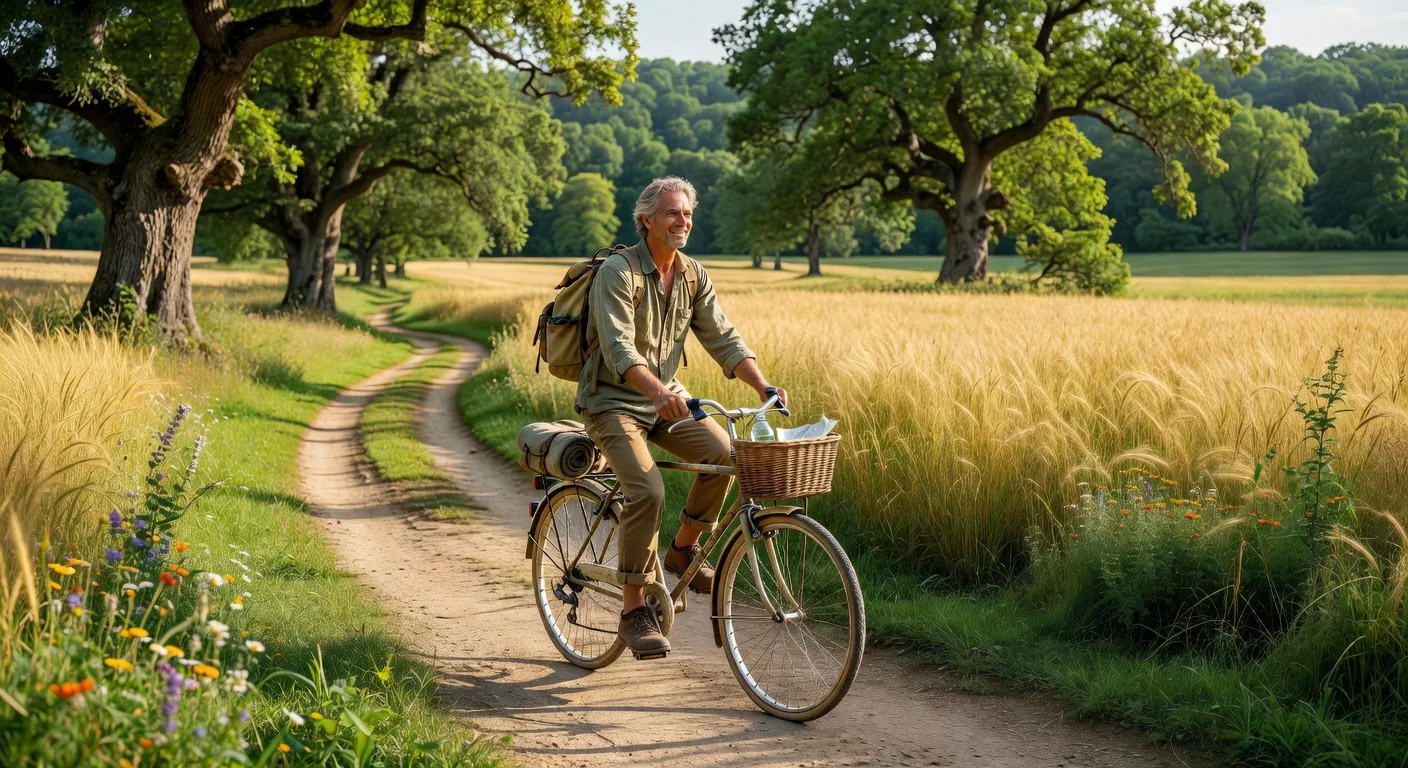
Slow travel is fundamentally an act of humility. It asks you to arrive not as a spectator with a checklist, but as a temporary resident with genuine curiosity. When you commit to a place for weeks or months, you stop performing the role of tourist and start inhabiting the quieter, more revealing rhythms of everyday life — the baker who opens at 6am, the evening walk that everyone takes, the park bench that becomes yours.

The practices in these guides — finding a market, learning ten words of a language, riding the local metro — are not merely practical tips. They are invitations to a different mode of being in the world. Each small act of integration is a step toward understanding a place on its own terms, rather than through the lens of what you already know.

Essential Phrases That Open Doors

You don't need fluency. You need the handful of words that signal respect, open conversations, and make daily life possible.

Tokyo
Japan
  • SumimasenExcuse me / I'm sorry
  • Ikura desu ka?How much is this?
  • Kore wo kudasaiI'll have this, please
  • Doko desu ka?Where is…?
  • ArigatouThank you
  • OishiiDelicious
Lisbon
Portugal
  • Com licençaExcuse me
  • Quanto custa?How much does it cost?
  • Uma bica, se faz favorAn espresso, please
  • Onde fica…?Where is…?
  • Obrigado/aThank you
  • Está bomIt's good / OK
Medellín
Colombia
  • Con permisoExcuse me / Coming through
  • ¿Cuánto vale?How much is it?
  • ¿Me lo puede envolver?Can you wrap it for me?
  • BacanoCool / Excellent (local slang)
  • Parcero/aFriend (local slang)
  • Gracias, puesThanks, then (local cadence)
Tbilisi
Georgia
  • BodiishiExcuse me
  • Ra ghirs?How much does it cost?
  • MadlobaThank you
  • GamarjobaHello
  • Ara mesmisI don't understand
  • Gemrieli iyoIt was delicious

The Slow Traveler's Integration Timeline

The milestones that matter most aren't on any tourist map.

Week 1

Find your three anchors

Locate your neighborhood grocery store, your daily coffee shop, and your park. These three places will form the quiet backbone of your stay. Visit each one more than once. Let yourself be seen returning.

Week 2

Navigate without a map

Try public transit without Google Maps for one day. Get lost deliberately. Wrong turns in an unfamiliar city often lead to the most interesting discoveries — a street market, a courtyard, a view. Getting lost is how you stop being a tourist.

Week 3

Have one real conversation

Have one conversation with a neighbor, a vendor, or a regular at your coffee shop — even if it's broken, even if you resort to pointing and smiling. The willingness to try is universally understood, and it changes the entire tenor of your time there.

Week 4

Be remembered

Return to a place and be recognized. The bakery owner who nods when you walk in. The vendor who puts aside the good tomatoes. The café that starts making your usual before you sit down. This is the moment when you have stopped being a visitor and started being a resident.